
The dusty horizon and gum tree silhouettes on a screen can pull you straight back to a regional Queensland roadhouse, but picking a spin worth your time takes more than a pretty coat of paint. I have spent two decades building floors for land-based rooms, social titles, and iGaming products, and I can tell you the same truth every time: a strong theme is just the wrapper, and the wrapper never pays the bills. If you are weighing an australian themed pokies outback session this arvo, start by asking what the game is actually asking of your wallet before you chase the scenery.
When I cut my teeth on physical floors, the best machines earned their keep through steady maths and clear signage, not through a sunset backdrop that looked nice on a busy Saturday night. That same discipline matters online. A themed title can feel familiar, but the first question to ask is whether the paytable, volatility, and bonus triggers line up with how you actually like to play. Some sessions suit a slower burn where you can sit through a quiet patch, while others want frequent small returns to keep the rhythm going. Neither approach is wrong, but they are not interchangeable, and a pretty outback motif will not bridge that gap for you.
I have also learned to read a product by how it treats the player when the reels stop behaving. A well-built game tells you plainly what a free spins round can and cannot do, what symbols are wild, and where the scatter sits, so you are not guessing at the rules mid-spin. If the info feels buried or the demo mode is missing, that is a useful warning sign. The theme might be a cracker, but a game that hides its mechanics is asking you to commit blind, and that is never a comfortable way to spend an evening.
Understanding payout rates for Australian pokies is the next piece I would put on the table before you deposit, because a theme and a return figure are two completely different conversations. A branded jacket can make a session feel familiar, yet the underlying percentage is what shapes how often the maths leans back toward you over a long run. If you are comparing a few options, look for the published rate and read it alongside the volatility rather than treating either number as a promise. A higher figure does not guarantee a smoother session, and a lower one does not automatically mean a worse time, so the sensible move is to match the numbers to your own pace instead of chasing a headline.
For a quick comparison, I usually sketch this out before I commit:
What to weigh What it tells you How I use it
Published return rate Long-run maths, not a session guarantee I match it to how long I plan to sit
Volatility pattern Frequency and size of swings I pick calmer patterns for a relaxed arvo
Bonus trigger rules How free spins or features start I check whether the trigger feels fair or fussy
Demo availability Whether I can test the feel first I always trial before I commit cash
Clear paytable What symbols actually pay I read it before I touch the bet slider
That table is not a verdict, just a way to keep the numbers from getting lost behind a gum tree graphic. I have watched operators lean hard on scenery because it sells the first spin, and I have watched regulators and advisers push back because familiarity is not the same as clarity. Ethan Clarke, Responsible Gambling Adviser, Coral Coast Interactive, puts it straight: “A theme can draw a player in, but the responsibility sits with the product to make the rules and the limits plain before the first credit is spent.” I reckon that is the right tension to hold, because a good session depends on both a decent-looking game and a clear read on what you are actually signing up for.
On the operator side, I have heard the other side of the argument too. Some product teams argue that a strong theme is what gives a title its identity, and that players are there for the atmosphere as much as the maths. There is truth in that, especially when a game is built around a story rather than a generic backdrop. The disagreement is not about whether scenery matters, but about how much weight it should carry compared with transparent rules and sensible pacing. I sit in the middle on that one: a coat of paint can make a session enjoyable, but it should never be the main reason you overlook the mechanics underneath.
If you are comparing a couple of options side by side, the practical question is whether the session you want matches the session the game is built to give. A slower, lower-variance title can suit a quiet session where you are watching the board more than chasing a big hit, while a more volatile setup can feel right when you are comfortable with longer dry patches between returns. I have made that call on real floors and in digital builds, and the pattern is the same: the game that fits your rhythm is usually the one that keeps you comfortable, not the one with the loudest artwork. That is the judgement call I would make before I touch the bet slider.
When I look at a new build now, I still judge it the way I judged a floor title two decades ago: does it tell the truth about its features, does it respect the player’s time, and does it leave room for a sensible stop? Those questions matter more than whether the background shows a dry riverbed or a red dirt track. If the answers are good, the theme is a bonus. If they are not, the scenery is just decoration on a session that is not working for you.
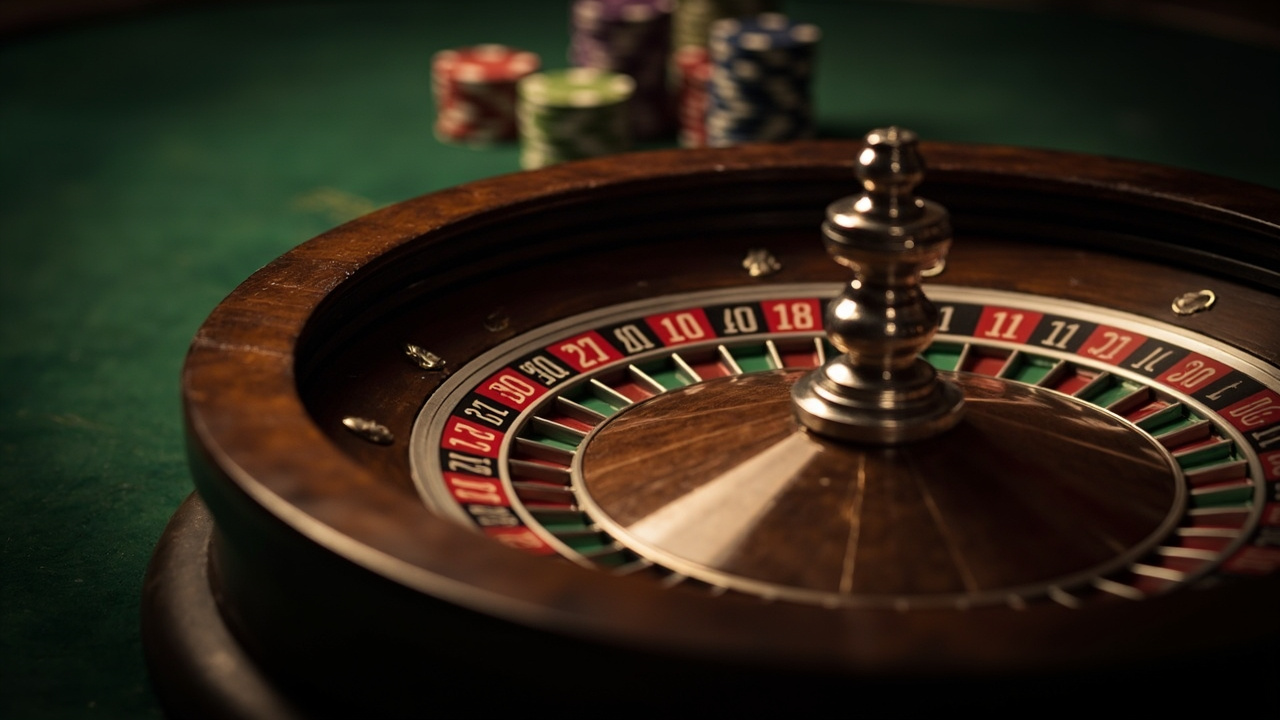
Money and session limits are the part I do not skip, because even a well-built game can turn uncomfortable if the boundaries are vague. I want to know how deposits and withdrawals are handled in the currency I am actually using, how quickly a request moves, and whether the registration and verification steps are laid out plainly before I commit. On a standard wheel, red and black numbers alternate, but not in simple numerical order, and that same kind of uneven rhythm shows up in how sessions play out once real money is involved. The detail that matters is whether the house side has made the process readable, because a player who knows the steps is a player who can make a calmer call.

Themed mega-resorts recreate Venice, Paris, ancient Rome, and Egypt in Las Vegas, and the lesson there is that spectacle is a powerful draw, but spectacle alone is not a product. I have seen social and iGaming builds that borrow that same energy and wrap it around an australian themed pokies outback motif, then rely on the atmosphere to carry the whole pitch. It can work when the underlying mechanics are solid, but it falls apart when the theme is doing all the heavy lifting. My own call is to treat the scenery as the invitation and the maths as the reason to stay.
I also think about the kind of physical memory a game is borrowing, because that tells you a lot about how it wants to feel. Wrest Point’s revolving restaurant offered panoramic views over the Derwent, and that slow, panoramic sense is the kind of mood some outback titles are trying to echo. When a game captures that pace honestly, it can feel right for a relaxed session. When it borrows the look but plays at a frantic tempo, the mood and the mechanics fight each other, and that is usually the moment I step back and reassess.
If you are weighing whether to sit down at all, the clearest test is whether the session still makes sense when the theme is stripped away. I have built products where the artwork carried the first impression and the mechanics carried the rest, and the ones that lasted were the ones that could stand on the mechanics alone. That is the standard I apply now, and it is the one I would ask you to apply too. A good session is one where the game, the limits, and your own pace are all speaking the same language.
Welcome offers and recurring promos are worth reading properly before you claim anything, because the structure is often where a session turns from manageable to messy. I look at how the offer is built, what counts toward the wagering, which games contribute, and whether there are caps that change the shape of the play. Eligibility matters just as much, especially around age, location, and account status, because a promo that sounds generous on the surface can come with conditions that narrow it sharply. I have seen bonus mechanics that looked simple until the contribution rules and the recurring promo terms started pulling in different directions, and that is the point where I slow down and read the fine print instead of chasing the headline.
A sensible approach is to treat any offer as a set of boundaries, not as free momentum. If the wagering is high, the contribution is uneven, or the limits reset in a way that catches you out, the promo may be shaping your play more than you intended. I would rather see a smaller, clearer offer than a bigger one that asks me to guess at the rules. That is the judgement call I make on the floor and online alike, and it is the one I would suggest keeping in mind when you are deciding whether a promotion actually fits the session you want.
Support and account handling are the quieter parts that still matter, because a session can go sideways without warning and the response needs to be readable, not buried in a maze of pages. I want to know how to reach someone, what the typical response looks like, and whether the loyalty side of the product is built around steady value or just another layer of conditions. A clear support path and a loyalty setup that rewards ordinary play without turning every feature into a puzzle are both signs that the product is thinking about the player’s time, not just the first deposit.
Mobile play is where a lot of these sessions actually happen, so I check whether the game keeps its layout and pace intact on a smaller screen rather than just shrinking the artwork. A title that feels cramped or hides its controls on mobile is asking for frustration, and that is not a problem the theme can solve. The same goes for registration: if the sign-up steps are clear and the account setup is straightforward, the session starts on steadier ground. I have seen products that looked polished on a desktop and turned awkward on a phone, and that is usually the moment I decide whether the build is genuinely ready for the way people actually play.
If you are weighing an australian themed pokies outback session this week, the practical call is to line up the theme, the maths, the limits, and the offer structure before you spin, and to treat the scenery as the invitation rather than the argument. I have spent twenty years judging products by how they behave once the first impression fades, and the ones worth your time are the ones that stay honest about what they are. Play for the session you actually want, keep the boundaries clear, and let the theme be the bit that makes the evening feel like yours rather than the bit that sells it. casoola Understanding payout rates for Australian pokies