The Illusion of Skill Over Luck
One prevalent myth in the realm of casino gambling is the belief that skill can significantly influence outcomes in games largely governed by chance. While there are games like poker where strategy plays a role, the majority of casino games, such as slots or roulette, are designed to be random. The randomness is often reinforced by sophisticated technology, ensuring a fair play system. Players often overlook this critical factor, especially when they consider options like visa fast withdrawal casino which emphasize luck over skill, clinging to the false notion that skill dictates the outcome.
For instance, many players believe that by understanding game mechanics or studying betting systems, they can gain an edge. However, the house always maintains an advantage through the odds set within each game. This edge means that, over time, the casino will always profit, regardless of individual player skill. It’s crucial for gamblers to recognize that while knowledge can enhance the experience, it does not guarantee success in these odds-driven games.
This misunderstanding can turn gambling into a frustrating experience when players expect positive results based on perceived skill. As a result, they may feel compelled to continue playing, driven by the belief that a winning strategy is just around the corner. Emphasizing luck over skill is essential for players to enjoy gambling responsibly and with an appropriate mindset, helping mitigate the emotional highs and lows associated with wins and losses.
The Misconception of “Hot” and “Cold” Machines
Another myth that circulates in the casino gambling community is the idea that slot machines can be „hot“ or „cold.“ Many players believe that they can observe patterns and determine when a machine is due for a payout, leading them to stay at certain machines for extended periods. This belief is rooted in the human tendency to find patterns in random events, yet it fundamentally misunderstands how modern slot machines operate.
Slot machines use Random Number Generators (RNGs) to determine outcomes, meaning every spin is independent and unaffected by previous spins. Casinos do not program machines to run hot or cold; instead, they maintain a consistent payout percentage over time. This means that a machine that has paid out recently is just as likely to pay out again in the very next spin, regardless of its prior results. Continuing to believe in the hot and cold theory can lead players to make poor gambling decisions.
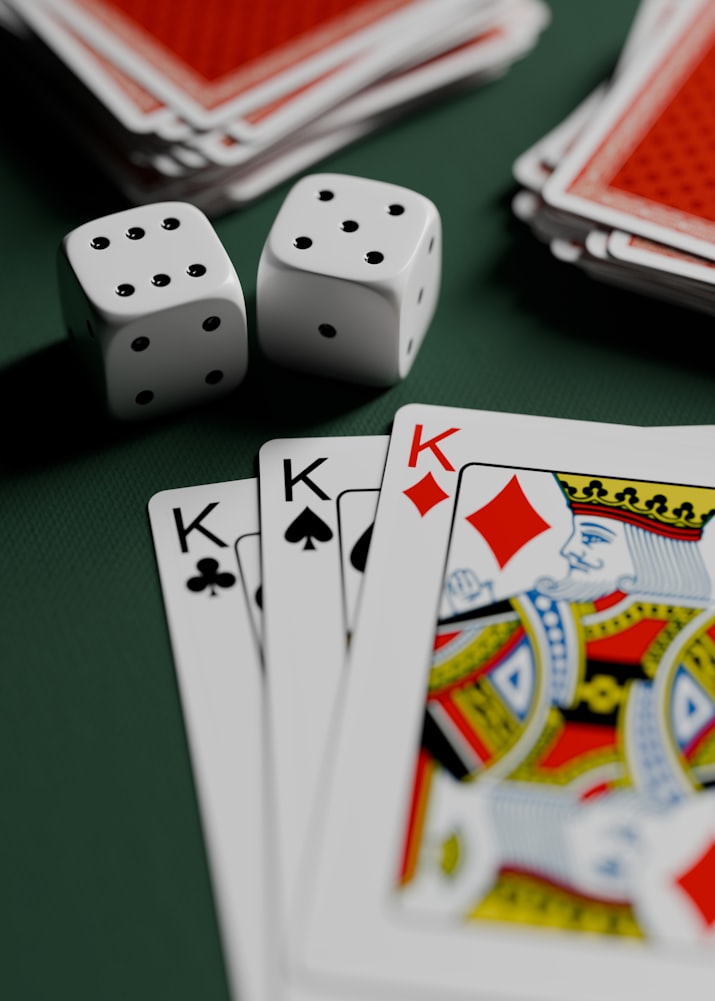
Understanding this concept is vital for responsible gambling. Players who recognize that each spin is inherently random can better manage their expectations and avoid chasing losses. This misconception can lead to a cycle of frustration that affects players‘ financial and mental well-being. Acknowledging the true nature of slot machines contributes to a healthier approach to casino gambling, allowing individuals to better enjoy the experience without falling victim to common pitfalls.
The Myth of Winning Streaks
Winning streaks are often viewed as a sign that a player has hit their stride, reinforcing the myth that gamblers can ride a wave of luck indefinitely. This can be particularly seductive in games like blackjack or poker, where players believe that momentum can be carried forward into subsequent hands. However, this mindset can lead to detrimental decision-making and a false sense of security that can significantly impact a player’s bankroll.
The concept of a winning streak can be misleading, as each hand or spin is technically independent of the last. In games like blackjack, although strategy might improve potential outcomes, the presence of randomness means that no amount of streaks can assure future wins. Players may find themselves betting more aggressively during these perceived streaks, mistakenly assuming that luck is on their side. This aggressive approach often leads to increased losses when the inevitable downturn occurs.
Understanding that gambling outcomes are random helps dismantle the myth of winning streaks. Responsible gamblers learn to temper their excitement and maintain a strategy that accounts for the possibility of losses. Putting safeguards in place, such as setting win and loss limits, can protect players from the pitfalls of chasing a winning streak that may never come. Ultimately, the thrill of gambling lies in the experience rather than the outcome, and recognizing this can lead to a more balanced perspective.
The “Gambler’s Fallacy” Explained
The gambler’s fallacy is a well-known misconception that influences many players in a casino environment. This belief suggests that past events can affect future outcomes in random games. For example, a player may think that if a coin flip results in heads several times in a row, tails is „due“ to come up next. Such misconceptions can lead to misguided betting decisions, particularly in games like roulette or slot machines, where each spin is entirely independent.

Understanding the mechanics behind the gambler’s fallacy is essential for responsible gambling. This cognitive bias can foster feelings of desperation or misplaced optimism, prompting players to alter their betting strategies based on previous results. However, recognizing that each game or spin functions independently allows players to approach gambling with a more rational mindset. Awareness of this psychological hurdle can help individuals avoid common pitfalls associated with emotional betting.
By educating players on the gambler’s fallacy, casinos can promote a healthier gambling environment. Responsible gambling initiatives often focus on teaching individuals about the true nature of odds and randomness. When players are well-informed, they are more likely to engage in gambling activities with a realistic mindset, reducing the emotional rollercoaster that comes with fluctuating fortunes. This awareness empowers gamblers to enjoy the experience without falling prey to detrimental beliefs.
Understanding Responsible Gambling
In the face of various myths surrounding casino gambling, it’s crucial to emphasize the importance of responsible gambling practices. Understanding how games work, setting personal limits, and recognizing the signs of problem gambling are essential elements for an enjoyable experience. Educating oneself about the risks involved can lead to a more fulfilling gambling experience and minimize potential harm.
Moreover, many resources and support systems are now available to assist individuals in developing responsible gambling habits. Casinos and online platforms often provide tools for players to set limits on their spending, time spent playing, and even options for self-exclusion. By making informed decisions and utilizing these resources, players can enjoy gambling without succumbing to the negative effects of myths and misconceptions.
As awareness grows regarding the importance of responsible gambling, both players and casinos can work together to foster a safe environment. Seeking help when necessary and maintaining open discussions about gambling behavior can further eradicate the stigma surrounding problem gambling. By prioritizing education and support, the gambling community can create a culture that encourages enjoyment without the risks associated with belief in myths.