The Role of Luck in Casino Games
Luck is an intrinsic element of many casino games, often determining the outcomes in a way that can seem completely arbitrary. Games such as roulette, slots, and dice rely heavily on chance, where the odds are often stacked against players. For instance, in roulette, the spin of the wheel and the fall of the ball ultimately decide the winning number, and no amount of strategy can influence that outcome. Players often engage in these games with the hope that fortune will favor them, making luck the principal factor in their potential success as they explore options like australian neosurf casino for exciting experiences and opportunities.
The unpredictability associated with luck is what makes these games appealing to many. Every spin of a slot machine is unique, and each roll of dice can yield vastly different results. This randomness can lead to significant wins or catastrophic losses, adding to the thrill of the game. Players may find themselves on winning streaks that seem to defy logic, reinforcing the perception that luck plays an essential role in gambling. However, this belief can sometimes mislead players into thinking their streaks are sustainable, leading to further gambling.
Moreover, the concept of luck varies among individuals, with some perceiving it as a positive force while others may view it as capricious and unsettling. The psychological aspect of luck can influence players‘ expectations and behaviors. For some, a lucky win can lead to a feeling of invincibility, prompting them to gamble more aggressively. Thus, while luck is purely random and unpredictable, it profoundly affects how players engage with and perceive their gaming experiences in casinos.
The Importance of Skill in Casino Gaming
While luck plays a significant role in many casino games, skill is equally important in others, particularly in games like poker, blackjack, and sports betting. In these games, players have the opportunity to make strategic decisions that can influence the outcome. For example, a skilled poker player can read opponents, calculate odds, and make informed bets, giving them an advantage over less experienced players. This strategic play highlights the importance of skill in achieving long-term success.
In blackjack, players can use basic strategy charts to guide their decisions based on the dealer’s upcard and their hand. By employing techniques such as card counting, skilled players can turn the odds in their favor. This is in stark contrast to games of pure chance, where no strategy can affect the results. The blend of skill and strategy offers a level of control over the game, allowing players to feel empowered in their gambling choices.

Furthermore, the balance between skill and luck adds depth to the gaming experience. Players who cultivate their skills can enhance their chances of winning while still contending with the whims of luck that can alter any game’s outcome at any moment. This dynamic creates a fascinating tension in gambling, where the mastery of a skill can coexist with the unpredictability of luck, making each gaming session a unique combination of both factors.
The House Edge and Its Effects
The house edge is a crucial concept in understanding the interplay between luck and skill in casinos. It refers to the mathematical advantage that the casino has over the players, ensuring that, in the long run, the house will always win. This built-in edge is a product of game design and rules that favor the casino. For instance, in a game like roulette, the presence of a zero (or double zero) on the wheel alters the odds, tipping them in favor of the house despite the apparent odds players might perceive.
Understanding the house edge is essential for players to make informed decisions about their gaming strategies. In games where skill plays a significant role, such as poker and blackjack, players can often mitigate the house edge through strategic play. However, in games of pure chance, the house edge remains unaltered by player decisions, making it essential for players to recognize the limits of their control over outcomes. As such, many players flock to skill-based games, drawn by the potential to reduce the house’s advantage through improved gameplay.
This knowledge of the house edge creates a unique dynamic within casino environments. Players who are aware of how the odds work might approach their gaming experiences with a more calculated mindset, focusing on games where skill can be effectively used to combat the house advantage. Conversely, those who engage in games of pure luck may do so for entertainment, accepting that the outcomes are entirely beyond their control. This balance of awareness and decision-making illustrates the ongoing tension between luck and skill in the realm of gambling.
The Psychological Aspects of Gambling
The psychological factors associated with gambling can significantly influence players’ perceptions of luck and skill. Many gamblers develop cognitive biases, such as the „gambler’s fallacy,“ which leads them to believe that past outcomes affect future events in games of chance. For instance, a player may believe that after a series of losses, a win is „due,“ underestimating the role of luck in the game. This misconception can drive players to gamble more, hoping to recoup losses, often leading to detrimental outcomes.
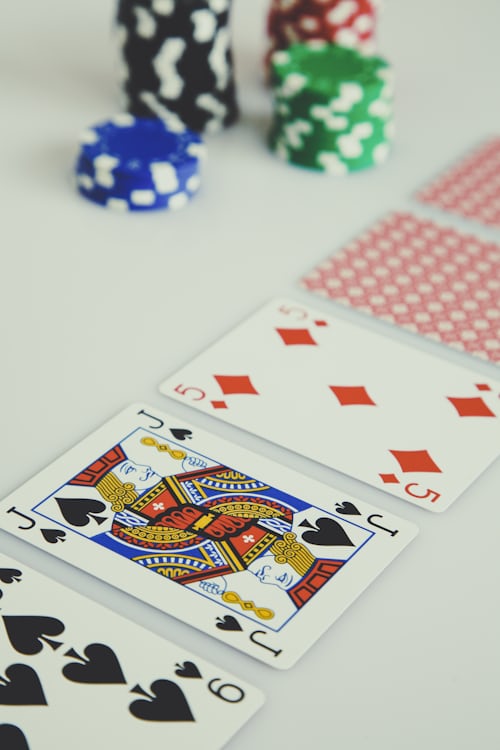
Additionally, the thrill of gambling is often tied to the adrenaline rush that accompanies high-stakes plays, whether based on luck or skill. The emotional responses evoked during gameplay can cloud rational decision-making, resulting in impulsive bets fueled by short-term successes. Players may chase their losses or become overly confident after a few wins, leading them to disregard the inherent uncertainties involved in gambling.
Understanding these psychological aspects can help players adopt a healthier approach to gaming. By recognizing the impact of luck versus skill, gamblers can make more informed choices, leading to more sustainable gambling habits. Acknowledging the role of cognitive biases and emotional influences allows individuals to engage with casinos in a way that emphasizes enjoyment rather than the relentless pursuit of winning, creating a more balanced gaming experience.
Exploring Gaming Resources and Strategies
For those interested in understanding the nuances of luck and skill in casinos, various resources are available to enhance gaming knowledge and strategies. Numerous books, websites, and courses offer insights into specific games, focusing on improving skills and understanding probabilities. These resources equip players with the tools needed to make informed decisions, ultimately allowing them to navigate the complexities of gambling more effectively.
Additionally, engaging with communities of players can provide valuable insights and shared experiences. Forums and social media groups allow players to discuss strategies, ask questions, and share personal anecdotes about their gaming experiences. These communities often foster a supportive environment that cultivates skill development and encourages responsible gaming practices.
Recognizing the blend of luck and skill can lead to a more rewarding gambling experience. With the right resources and strategies, players can enhance their understanding of various games, equipping themselves to make better decisions at the tables. As players improve their skills and acknowledge the role of luck, they will be better prepared to face the challenges and excitement that come with casino gaming.